
When buying or selling a property, real estate agents play a pivotal role in marketing the property and guiding clients through the complex process. They are compensated for their work in the form of a commission relative to the sale price of the property. The payment structure for agent commissions can vary depending on several factors. This article will discuss how to pay commissions to real estate agents, explore different fee structures, and best practices.
For example, if a property sells for $500,000 and the agreed-upon commission is 6%, the total commission would be $30,000. The commission is divided equally between the listing agent and the buyer’s agent. In this case, each agent would take home $15,000.
Real estate agent commissions are typically calculated as a percentage of the final sale price of a property, and typically ranges from 5 - 6%. This rate can vary depending on the type of property, and any other agreement between the agent and their client. Commissions are typically split equally between the buyer’s and seller’s agents.
1. Define the Commission Split
In most real estate offices, the commission is not paid entirely to the individual agent. Instead, there is often a commission split between the real estate agent and the brokerage. This split can vary widely in independent offices.
For instance, the commission could be split 70/30, with 70% going to the agent and the other 30% going to the brokerage. Alternatively, some offices or even top-performing agents may have a more favorable split, such as 90/10, retaining a higher percentage of the commission.
Some commission splits are tiered, meaning agents will pay a more favorable split after they reach certain milestones in sales volume. Another common approach is a capping limit, in which agents will receive 100% of their commission paycheck after reaching the capping amount in dues paid to the brokerage. Selecting your compensation plan and commission split is the most important aspect for determining how to pay commissions to real estate agents. To learn more about different real estate agent compensation models, visit this article by Perry Real Estate College.

2. Determine the Payment Timeline
Once the commission agreement is in place and the commission structure is defined, it's important to clarify the payment timeline. Using software such as BrokerageBox's Commission Management technology to automatically generate transaction timelines may help streamline this process. Real estate agents typically receive their commission after the deal has closed, meaning all conditions of the sale (inspections, appraisals, and financing) have been satisfied. At this point, the buyer and seller have signed off on the deal.
However, in some cases, agents may be paid upon the buyer's acceptance of the offer or after certain milestones in the transaction. The payment terms should be defined in the agreement to avoid confusion later.
3. Handle Transaction Fees and Deductions

In independent real estate offices, agents often incur transaction-related expenses or fees that can be deducted from their commission. These may include advertising costs, office fees, transaction coordination fees, or technology fees. Such costs should be clearly communicated in the agent’s contract or agreement.
It's important that agents understand how these fees will affect their final payout. The brokerage should provide a breakdown of any deductions taken from their commission before payment is made. Additionally, brokerages can use automatic billing and payment software to seamlessly collect dues from their agents. BrokerageBox's Billing and Payment Solutions technology offers this functionality for both credit card charges and direct deposits all for free. Sign Up now.
4. Comply with State and Local Laws
Real estate commissions are subject to various state and local regulations. Independent real estate brokerages must ensure that their payment practices are in compliance with these laws. Commission agreements must follow industry standards and local regulations regarding disclosure, tax withholding, and agent payment rights. BrokerageBox’s free commission management software generates all the required documentation to be in compliance with state and local laws.
5. Commission Payment Methods
Once the deal closes, commissions are typically paid via check, direct deposit, wire transfer. Independent offices may provide options based on the agent’s preference. Some offices may also offer additional tools such as automated payment systems or commission tracking software to ensure smooth and timely transactions. BrokerageBox’s free commission management software offers a seamless way to pay and track real estate agent commissions.
Best Practices for Paying Real Estate Commissions
To ensure transparency, satisfaction, and long-term success for both agents and brokers in an independent real estate office, the following best practices should be followed:
Clear written agreements: Ensure all commission agreements are documented and clear from the beginning. Include commission percentage, splits, payment schedule, and deductions.
Timely payment: Agents should be paid promptly after the deal closes or at a specified time. This can help boost morale and maintain trust between agents and the brokerage. Use our Billing and Payment Solutions technology to make fast and secure direct deposits into your agents bank accounts.
Adopt technology: Independent offices should leverage Commission Management software, such as BrokerageBox, to track sales, commissions, and agent earnings more efficiently.
Regular communication: Keep open lines of communication between the brokerage and agents. This ensures that agents are aware of commission terms, deadlines, and any changes to payment policies. A real estate Communication Platform such as the system offered by BrokerageBox may be beneficial.
Track Production: Always track your real estate brokerage sales production, whether it's using a Cash Flow Management technology from BrokerageBox, or tracking on spreadsheet. Always stay knowledgeable about your brokerage's income.
What is BrokerageBox?
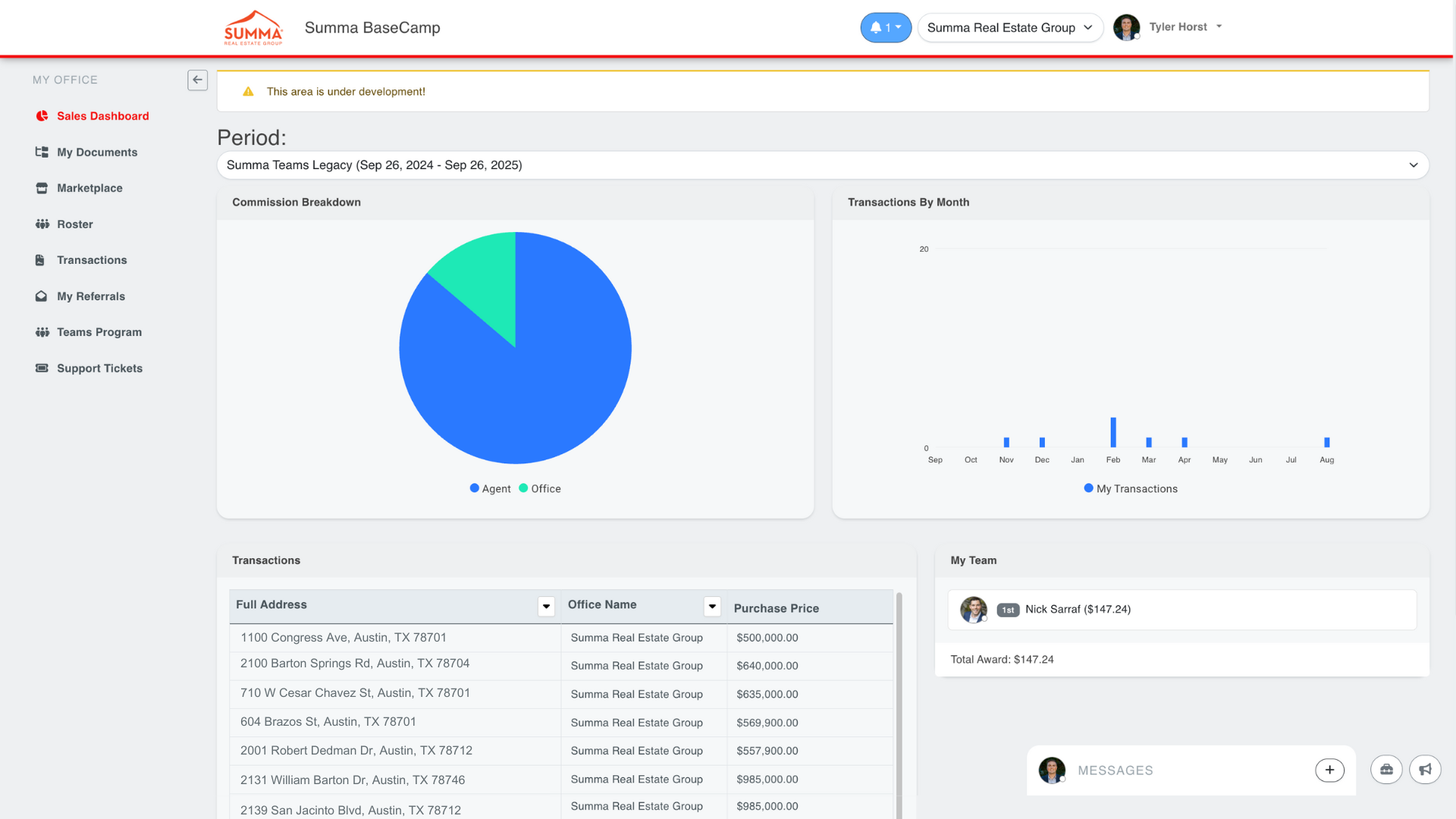
BrokerageBox is a free platform for independent real estate brokerages, built for brokers, by brokers. Our free Commission Management software and Custom Virtual Dashboard enables your independent real estate brokerage to have the framework of a real estate franchise without the fees. Request a Demo or Sign Up today to learn more about our platform! Together, we can determine the best strategy for how to pay commissions to real estate agents.